Magnet was sold for nothing. What that tells an independent
A 150-showroom national changed hands for £0 this month, and a major manufacturer went into administration four days later. Size has stopped being the safe option.
Two stories landed inside a week this January, and between them they say more about our industry than any forecast.
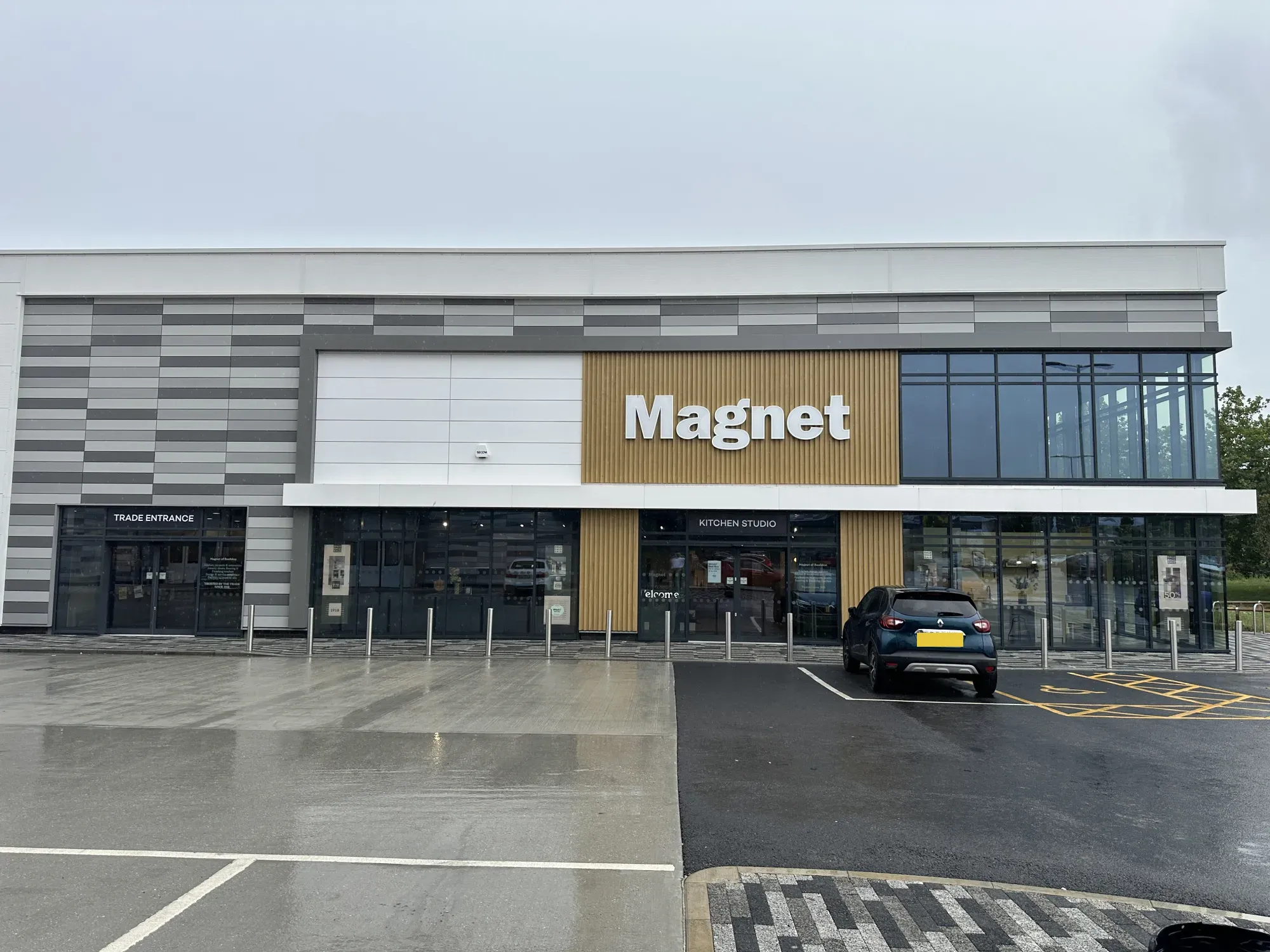
First, Nobia sold Magnet. The price was nothing at all: the buyer, private equity firm Alteri Partners, paid £0 and took on just over £60 million of store lease obligations. The deal covered more than 150 Magnet showrooms along with Gower, Commodore and CIE, and it ends Nobia’s time in the UK. A few days later Moores Furniture Group went into administration, with 124 redundancies. Its customer list and intellectual property were sold to Wren.
The short version
- A national chain’s showrooms turned out to be a liability, not an asset.
- Buyers will read these headlines and get nervous about deposits, whoever they buy from.
- An independent’s stability is now a selling point. Most never mention it.
Big was supposed to mean safe
For years the pitch from the nationals has been reassurance. A name you know, a showroom in every retail park, a head office behind the guarantee. The Magnet sale turns that inside out. When a business with 150 sites is worth less than the rent it owes, the estate that looked like strength is the thing dragging it down.
We take no pleasure in it. There are good designers and fitters in those showrooms, and Moores had been making furniture for generations. But it would be a mistake for independents to watch this as spectators.
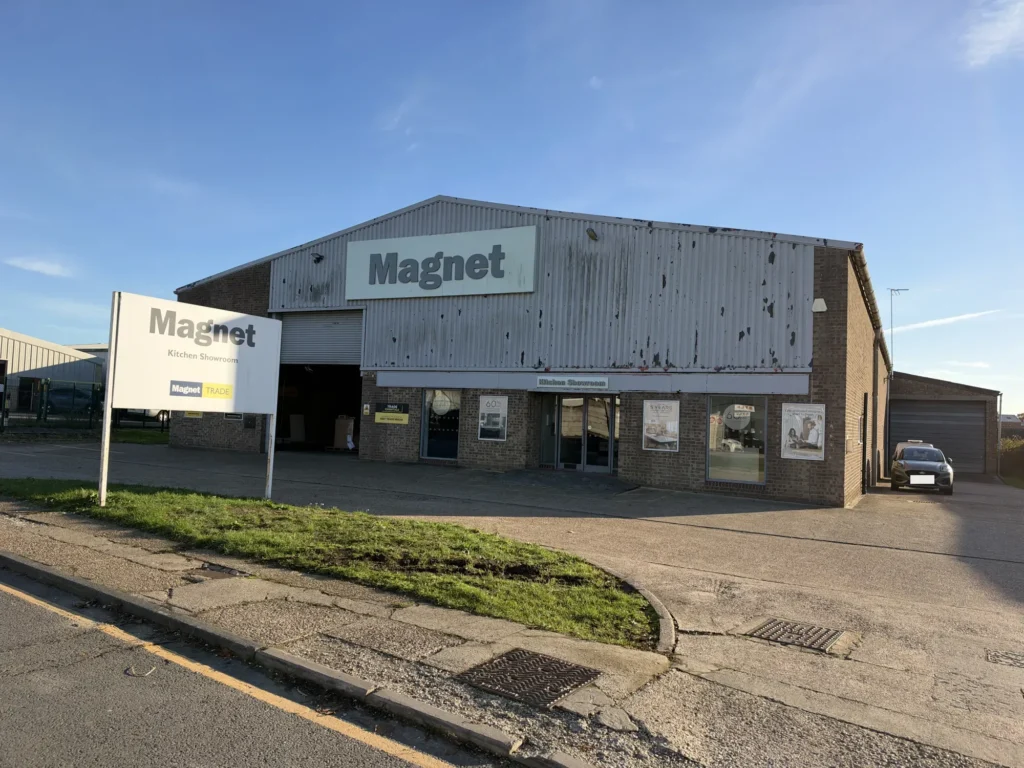
When 150 showrooms are worth less than the rent they owe, size has stopped being the safe option.
What your customer is thinking
A homeowner about to hand over a five-figure deposit does not follow the trade press, but they do see the headlines. The question in their head is simple: will this company still be here when my kitchen is due?
That question is now being asked of everybody, including you. The difference is that you have a very good answer and the chains do not. You own or rent one showroom, not a hundred and fifty. You have been in the same town for years. The person who designs the room is often the person whose name is over the door.
Say it out loud
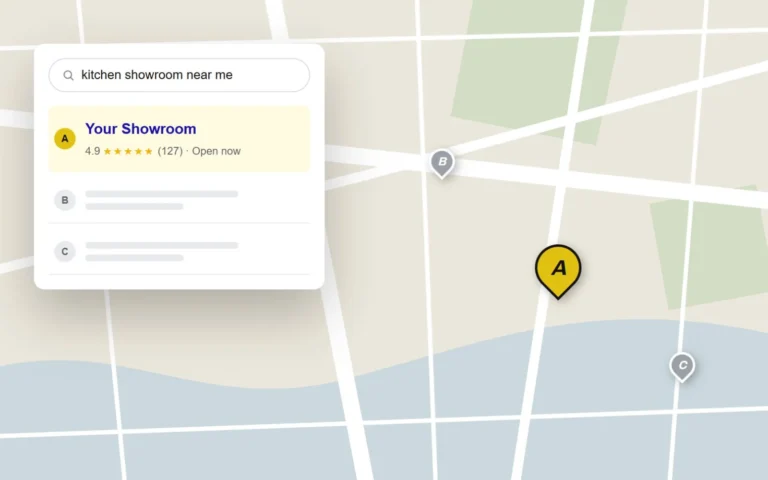
Here is the odd part. We look at a lot of independent showroom websites, and almost none of them say any of this. The history is buried on an About page nobody reads, if it is there at all. So put it where a nervous buyer will find it:
- How long you have traded, on the homepage, in plain numbers.
- Who owns the business, with a name and a face.
- How deposits are handled: staged payments, card protection, any insurance-backed scheme you belong to.
- Recent reviews that mention being looked after when something went wrong.
- Finished local projects, with the town named, so it is obvious you will be around to be asked about them.
Our view
The nationals spent decades teaching the public that big equals safe. January 2026 has given independents the best chance in a generation to argue the opposite, and it costs nothing but a few honest paragraphs and some decent photographs. If your marketing does not yet say “we will still be here”, that is the first thing we would fix.
Sources: kbbreview, “Nobia sells Magnet” (January 2026), kbbreview.com; East Anglian Daily Times, “Moores enters administration” (19 January 2026), eadt.co.uk.