Meta has taken away more targeting options. Good
On 15 January, adverts relying on some of Facebook and Instagram's detailed targeting options simply stopped running. For a showroom that advertises properly, this is less of a loss than it sounds.
If your Facebook or Instagram adverts went quiet in the middle of January, this may be why. On 15 January Meta removed or merged another batch of its detailed targeting options, the lists of interests and behaviours you could tick to decide who saw an advert. Any ad set still relying on the affected options stopped delivering on that date. Meta had announced the change last August, but plenty of small advertisers only found out when the enquiries dried up.
The short version
- Ticking interest boxes is on its way out. Meta’s own system now decides more of who sees what.
- The things you still control matter more than ever: location, the picture, the words and what counts as a result.
- Narrow targeting has not gone. It has moved from the settings into the advert itself.
What has actually changed
For years, “targeting” on Meta meant building an audience by hand: homeowners, interested in interior design, recently moved, and so on. Meta has been steadily removing those options and steering advertisers towards its automated systems, which look at who responds to an advert and go and find more people like them.
Alongside that, the people who study these things closely report that Meta’s newer ad delivery system rewards variety. Give it five genuinely different adverts and it can match each to the people most likely to respond. Give it five near-identical ones and it has nothing to work with.
Why we are not mourning the tick boxes
Honestly, the interest lists were never as precise as they looked. “Interested in kitchens” included everyone who had ever liked a recipe video. What made a campaign work was always the same three things, and you still have full control of all of them.
You have lost
- Some interest and behaviour tick boxes
- The feeling of control that came with them
You still control
- Exactly where the advert is shown
- The photograph and the words
- What you tell Meta a good result is
How to stay narrow without the boxes
Draw the map tightly. A radius round the showroom that matches where you will actually fit. This matters more now, not less.
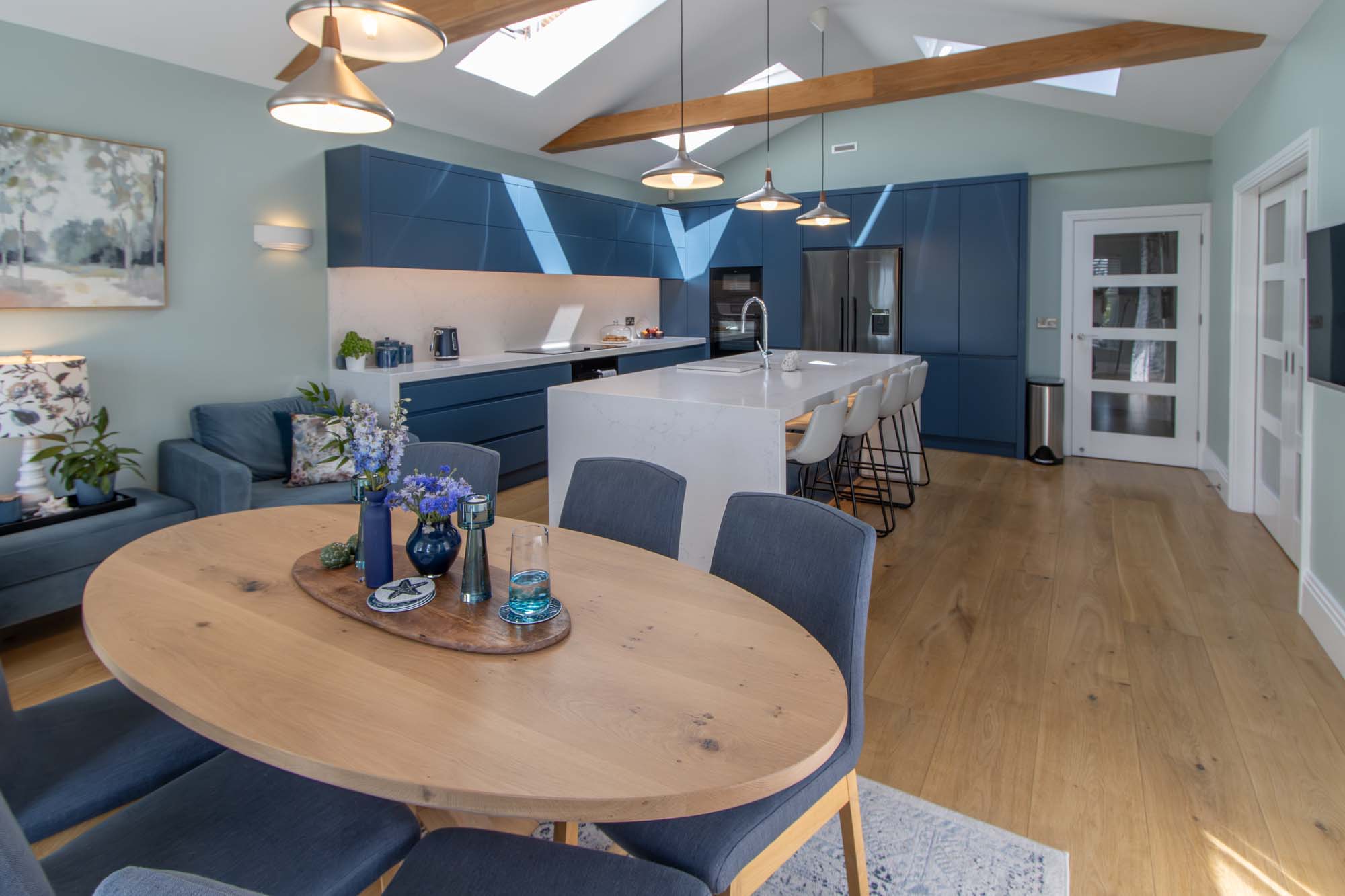
Let the advert do the filtering. A picture of a handmade in-frame kitchen with the words “from £35,000” will be scrolled past by anyone looking for a bargain. That is the point. The creative is now your targeting.
Give it real choices. A whole-room shot, a detail, a short walk-through, a customer’s words. Different, not five crops of the same photo.
Teach it what a customer is. If the system is told that a click is success, it will find you clickers. If it is told that a booked design visit is success, it goes looking for those instead.
The creative is now your targeting. An advert that puts off the wrong buyer is doing half its job before anyone clicks.
Our view
A small retailer cannot afford the wrong people through the door, and nothing in this change alters that. It only changes where the narrowing happens. We build every campaign so the photograph, the copy and the price signal do the selecting. That approach worked before January, and it works better now that everyone who relied on tick boxes has to start again.
Sources: Social Media Today, “Meta removes more detailed ad targeting options”, socialmediatoday.com. Commentary on Meta’s ad delivery system is drawn from independent practitioners and is not an official Meta statement.