Winner, Virtual Worlds and now your website: how much should one supplier own?
The design software in a great many UK showrooms now belongs to a single private-equity-backed company. This month it started selling websites and advertising to those same showrooms. We think that deserves a careful look.
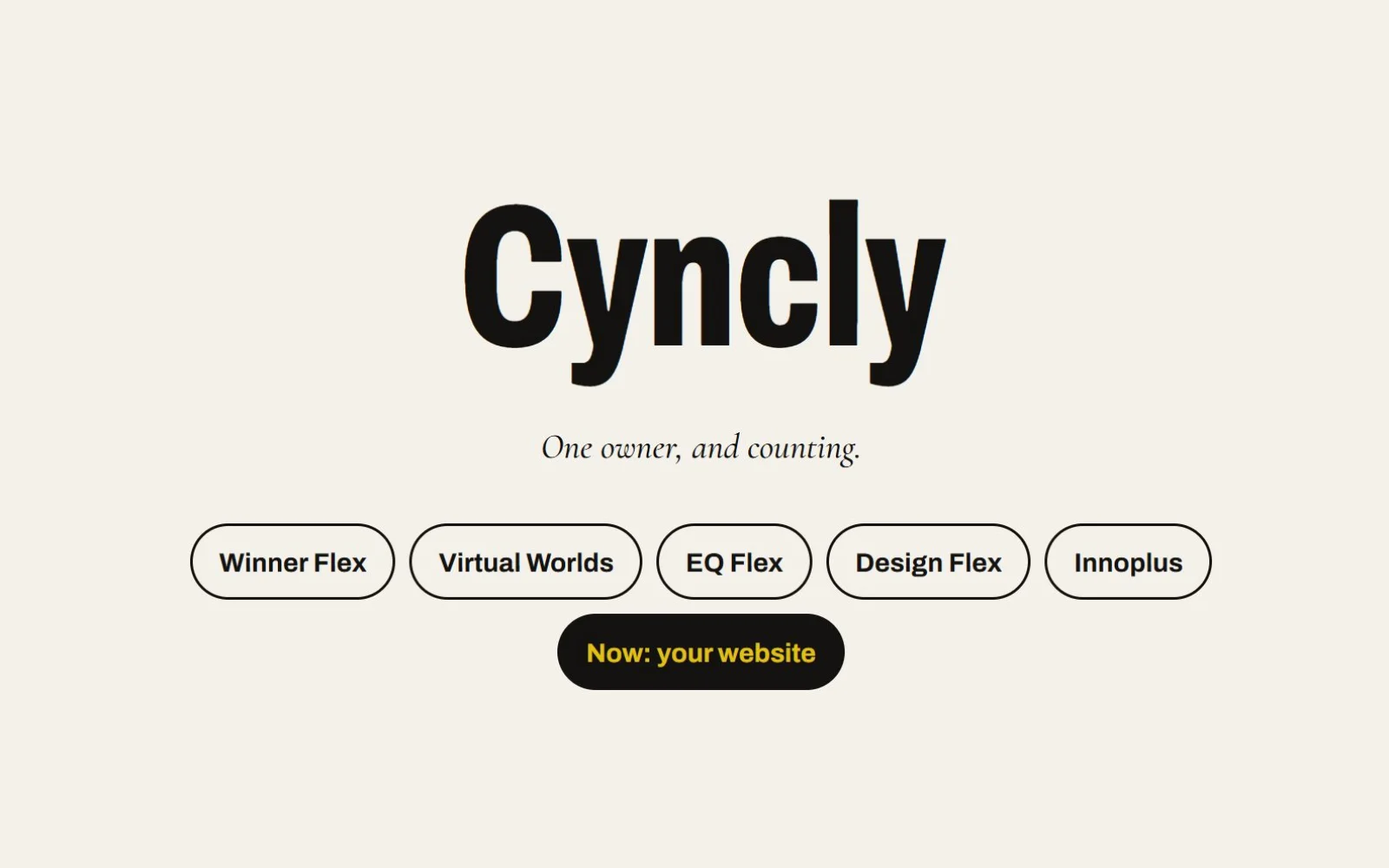
Most retailers think of Winner and Virtual Worlds as two different products from two different companies. They used to be. They are now both owned by Cyncly, along with the EQ quoting system and the software that used to be 2020 Fusion. And on 10 July, Cyncly launched a website service for UK kitchen and bathroom retailers, including search optimisation, advertising campaigns and review management.
We should say plainly that we have an interest here. We build websites and run advertising for independent showrooms, so Cyncly is now a competitor of ours. Read what follows with that in mind. We have tried to stick to what is on the record and to mark clearly where we are giving an opinion.
The short version
- Kitchen design, bathroom design and quoting software used across UK showrooms now sit under one owner.
- That happened through a merger and an acquisition, both lawful and neither hidden.
- We have found no published evidence of prices being pushed up. We also cannot check, because UK prices are not published.
- The sensible response is not alarm. It is to know what you are tied to and keep your options open.
How it came together
In 2021 two rival software groups agreed to merge: Compusoft, the Norwegian company behind Winner and Innoplus, and 2020 Technologies, the American company behind 2020 Fusion. Each was owned by a private equity firm, TA Associates and Genstar Capital, who became the majority owners of the combined business. The European Commission’s merger register records the deal as cleared in November 2021.
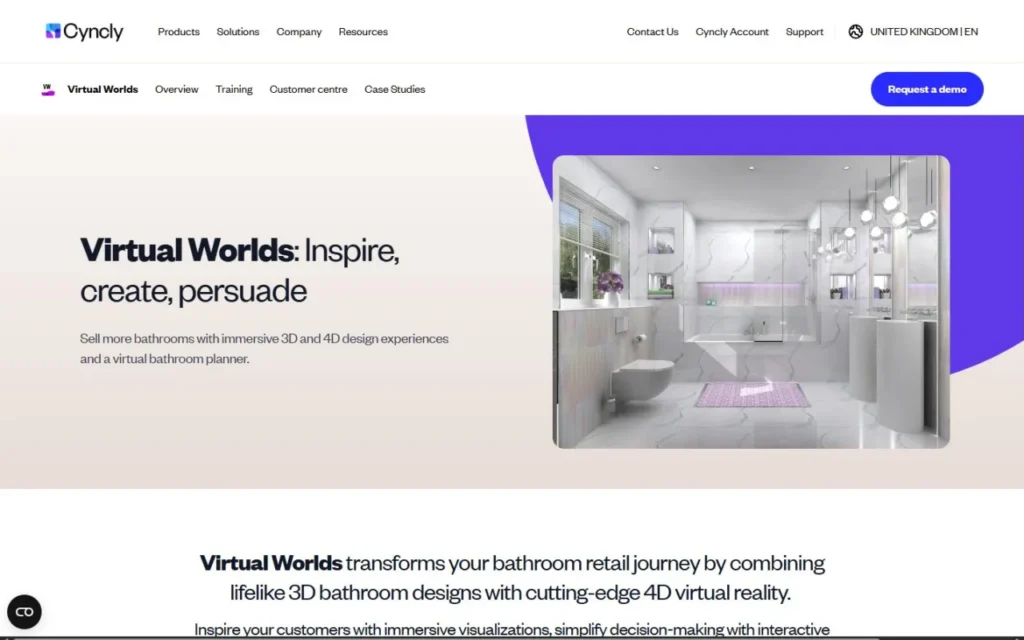
In September 2022 the combined company bought Logicom, the business that owns Virtual Worlds. The same month it renamed itself Cyncly. EQ, the quoting system many retailers know as EasyQuote, had already been part of Compusoft for years.
Then, in 2023, kbbreview reported that 2020 Fusion would be phased out, with Winner Flex named as the group’s preferred kitchen design platform. Whatever you think of either product, that is one fewer choice than there was.
Is it a monopoly?
It is a word that gets used in the trade, so it is worth being careful with. In the legal sense, we do not believe so. The merger was reviewed and cleared. Alternatives exist: ArtiCAD remains a separate business and was adopted this spring by Benchmarx, and general design tools are improving quickly. We have found no competition authority in the UK raising a concern.
What is true is narrower and still matters. If you run a kitchen and bathroom showroom in the UK, there is a strong chance that the tool you design kitchens in, the tool you design bathrooms in and the tool you quote from are now three products from one supplier. That is a concentration of dependence, whatever the market share turns out to be.
Is it holding back innovation, or pushing up prices?
Here we have to be honest about what we do not know.
On price, we looked and could not find published evidence either way. Cyncly does not publish UK prices for Winner Flex, Virtual Worlds or EQ Flex; each is sold by demonstration and quotation. No trade press report that we could find documents retailers complaining about cost. That absence proves nothing in either direction. It does mean a retailer has no public yardstick to judge a renewal quote against, and that on its own weakens your hand.
On innovation, the company would point to its newer cloud products and its investment in AI, and those are real. Our concern is more general. When one owner holds the products that used to compete, the pressure that made each of them improve is, at the very least, reduced. Phasing out a product, as happened with Fusion, is good housekeeping for the owner and a forced move for the customer.
You cannot haggle with a supplier when their other products are the only obvious alternatives.
And now your website
The July launch is what prompted this article. Cyncly’s own announcement makes a fair point: many independents do not have the resources to build and maintain a good website. We agree. It is the reason we exist.
But consider where that leads. Design software, quoting, customer records and payments, and now the website, the advertising and the reviews, all from one company whose owners will, like all private equity owners, one day sell it on. That is a great deal of one business resting on a single supplier’s goodwill and pricing.
Five questions to ask before you sign anything
- Can I get my designs and customer data out in a form another system can read, and what does that cost?
- What is the minimum term and how much notice must I give?
- How have my prices changed over the last three renewals, and is there a cap on the next one?
- If I stop using one product, do the others still work together?
- Who owns my website, its address and its content if I leave?
Our view
Winner and Virtual Worlds are good tools, and nothing here is a reason to tear them out. It is a reason not to hand the same supplier everything else. Keep your design software where it is if it works for you. Keep your website, your customer list and your marketing somewhere you control and can move. We would say that, of course. We would also say it if we sold something else entirely.
Sources: TA Associates, announcement of the Compusoft and 2020 merger (30 June 2021), ta.com; kbbreview, “Virtual Worlds sold to Compusoft + 2020” (5 September 2022), kbbreview.com; kbbreview, “2020 Fusion to be ‘phased out'” (2023), kbbreview.com; KBBFocus, “Cyncly launches Cyncly Websites” (10 July 2026), kbbfocus.com; Insight DIY, “Benchmarx to increase efficiency with new design software” (1 April 2026), insightdiy.co.uk; European Commission merger case M.10385. Cyncly, Winner and Virtual Worlds are trade marks of their owners. Cloud3 has no connection with Cyncly.